
Real estate investors today are no longer looking only at traditional apartments or city plots. A growing number of buyers are comparing resort properties with regular real estate to understand which option offers better long-term value, lifestyle benefits, and return potential. With the rise of premium living features in resort villas, this comparison has become more relevant than ever.
This guide clearly explains how resort property investment differs from regular real estate, helping buyers make informed decisions based on usage, risk, returns, and future growth.
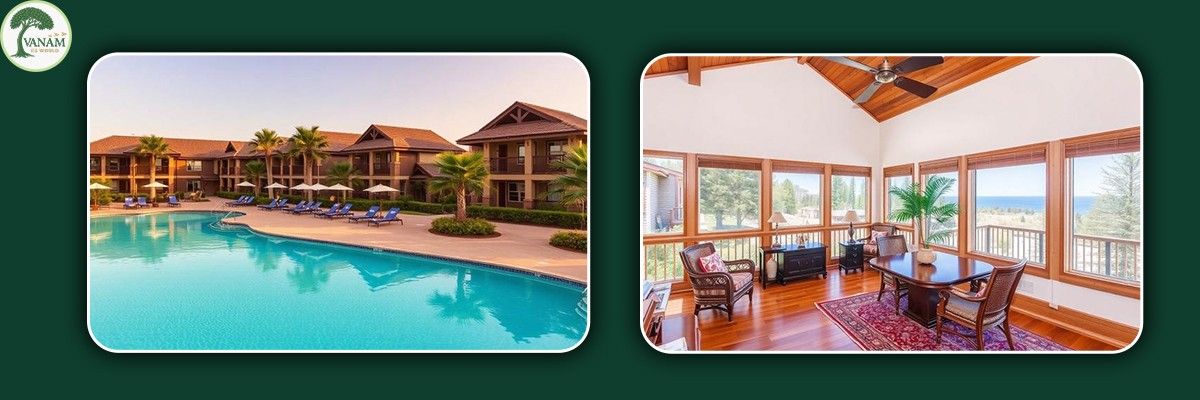
Understanding Resort Property Investment vs Regular Real Estate
Resort property investment refers to buying villas or homes within resort-style communities designed around leisure, wellness, and experience-driven living. These properties are often located outside dense city centers and focus on curated environments.
Regular real estate typically includes city apartments, standard villas, or residential plots meant primarily for daily urban living, rental stability, and routine use.
The core difference lies in purpose, buyer intent, and value drivers.
Lifestyle Value: The Biggest Differentiator
Resort properties are built around resort lifestyles, offering features such as landscaped open spaces, wellness zones, walking trails, clubhouses, and low-density planning. These lifestyle elements directly influence buyer demand and perceived value.
Regular real estate prioritizes convenience, proximity to workplaces, and functional living. While it meets daily needs, it usually lacks experiential appeal.
For buyers seeking balance between lifestyle and investment, resort properties often stand out.
Investment Appreciation: Which Grows Better Over Time?
Resort Property Investment
Resort properties often benefit from:
- Scarcity of well-planned resort communities
- High emotional and experiential demand
- Location advantage near leisure corridors
In markets like real estate Hyderabad, resort properties near highways and lifestyle destinations have shown steady appreciation due to limited supply and increasing preference for open living.
Regular Real Estate
Traditional residential properties grow steadily but face:
- High supply
- Market saturation
- Slower appreciation in mature city zones
While stable, appreciation is often incremental rather than exponential.
Rental Income Potential Compared
Resort Properties
Resort properties offer flexible rental opportunities:
- Short-term stays
- Weekend rentals
- Holiday leasing
Properties located near a resort in Hyderabad often attract premium short-term rental demand, especially during peak seasons. However, income can be seasonal.
Regular Real Estate
Regular properties usually generate:
- Stable long-term rental income
- Predictable monthly returns
They are preferred by investors seeking consistency rather than higher upside.
Risk Profile: Which Is Safer?
Resort property investment carries:
- Slightly higher holding risk if demand slows
- Dependence on location and developer quality
- Longer holding periods for optimal returns
Regular real estate offers:
- Lower volatility
- Consistent occupancy demand
- Easier liquidity in city markets
That said, resort properties backed by reputed developers and strong planning significantly reduce risk.
Buyer Demand and Market Trends
Modern buyers increasingly value:
- Wellness
- Open spaces
- Privacy
- Work-from-anywhere flexibility
This shift has boosted demand for homes in Hyderabad that offer lifestyle differentiation rather than standard layouts. Resort properties align well with these evolving preferences, whereas regular real estate caters to traditional needs.
Maintenance and Management Comparison
Resort properties often include professionally managed maintenance, ensuring consistent quality and experience. While costs may be slightly higher, they preserve long-term value.
Regular properties usually have lower maintenance costs but rely on resident associations, which can vary in quality and consistency.
People Also Ask: Resort Property vs Regular Real Estate
Q. Is resort property investment better than regular real estate?
A. It depends on goals. Resort properties suit lifestyle-driven, long-term investors, while regular real estate suits stable income seekers.
Q. Do resort properties give better returns?
A. Resort properties can offer higher appreciation and premium rentals when located well and planned correctly.
Q. Are resort properties risky investments?
A. Risk is moderate and largely depends on location, developer credibility, and holding period.
Q. Is regular real estate still a good investment?
A. Yes, especially for buyers focused on rental stability and lower volatility.
Q. Which is better for long-term holding?
A. Resort properties often outperform over long holding periods due to land value and lifestyle demand.
Role of Branded Resort Developments
Not all resort properties perform equally. Projects developed with clear planning, legal clarity, and long-term vision tend to outperform unorganized developments.
Developments like Vanam by Aikhya Infra, reflect how curated resort communities can bridge the gap between lifestyle living and real estate value. Such projects focus on sustainability, open landscapes, and future-ready living rather than short-term speculation.
Final Comparison Summary
| Aspect | Resort Property | Regular Real Estate |
| Lifestyle Value | High | Moderate |
| Appreciation | Strong (long-term) | Steady |
| Rental Type | Short-term & flexible | Long-term |
| Risk | Moderate | Low |
| Demand Trend | Growing | Stable |
Final Thoughts
Resort property investment and regular real estate serve different investor profiles. Resort properties appeal to buyers who value experience, long-term appreciation, and lifestyle integration. Regular real estate suits those seeking predictable income and lower risk.
As buyer preferences evolve and lifestyle living gains importance, resort properties are becoming a serious alternative rather than a niche choice—especially in emerging markets like real estate Hyderabad.